
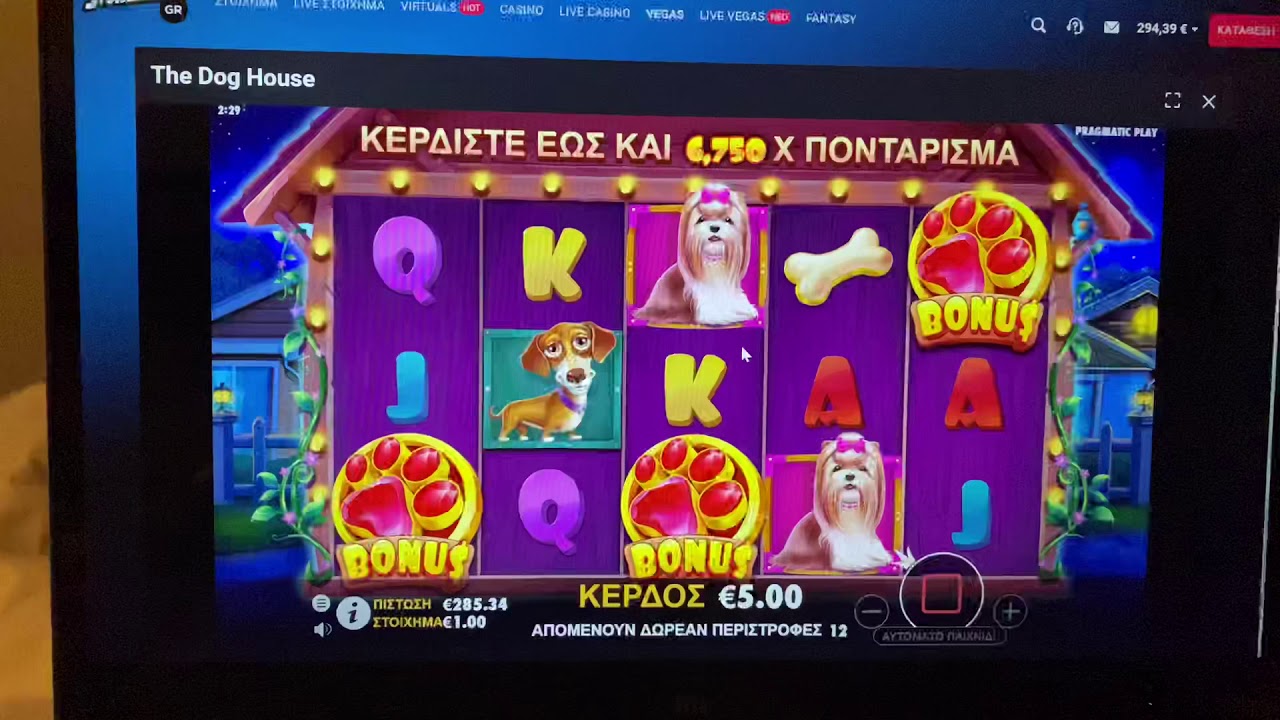
Players in the UK enjoy spinning the reels on Pragmatic Play’s The Dog House slot. The game’s lively design, wild symbols, and chance for large Megaways payouts are a big draw. But to maintain this entertaining game fair for all users, digital casinos follow rigorous regulations against opening several accounts. This isn’t just red tape. It is a crucial protective step. Stopping duplicate accounts helps protect players, prevents exploitation of bonuses, and keeps the game honest for the entire community. Knowing these rules means you can keep enjoying this popular slot without any unwelcome surprises, so you can concentrate on pursuing those canine-themed wins. https://megawaysslots.net/the-dog-house/
What Makes Casinos Apply Single Account Rules
Casinos authorized by the UK Gambling Commission (UKGC) ban multiple accounts to establish a safe and transparent playing field. The policy’s main strength is player protection. It blocks someone from dodging the deposit limits, loss limits, or self-exclusion they established on one account by just opening another. This is a crucial part of promoting responsible gambling. It also eliminates bonus abuse, where a player might seek to claim welcome offers or free spins more than once. That kind of activity drains promotional budgets meant for real new customers. For the casino, it’s also about the law. The UKGC requires rigorous Know Your Customer (KYC) checks. Multiple accounts disrupt that process and can pave the way to fraud or money laundering. These rules exist so that games like The Dog House are fun and fair for every legitimate player.
The way Operators Detect Multiple Accounts
Today’s online casinos utilize advanced technology and meticulous manual checks to detect duplicate registrations. The system reaches much further than looking for duplicate usernames. When you sign up, the casino often creates a digital fingerprint of your device. This looks at your IP address, browser type, operating system, and even your screen resolution. Trying to register on a different email from the same laptop or home Wi-Fi will set off an alert. The financial tracking is just as thorough. Using the same debit card, PayPal account, or bank details will tie accounts together in an instant. Verification teams also cross-check the personal information you give for KYC: your name, date of birth, and address. For UK players, providing your National Insurance number forms a permanent link. With all these layers, trying to beat the system hardly ever pays off and usually ends with all related accounts, and any winnings, being lost.
Typical Triggers for Security Alerts
Some actions can put your account under review, even if a duplicate isn’t found right away. Security software is designed to detect patterns connected to fraud or bonus misuse. A abrupt change in your device or location following account registration is a major warning sign, particularly if you’re employing a VPN to conceal your location. Frequently altering payment methods or attempting a withdrawal to someone else’s bank account will also raise flags. gets analysed|Your gameplay on slots such as The Dog House is also scrutinized|Even your activity on slots including The Dog House is examined. If you frequently switch between max and min stakes in a way that appears intended to meet wagering conditions, algorithms can detect that. The bottom line is consistency. Casinos expect normal play, and sharp shifts from your usual habits will be recorded by their automated systems and passed to a human compliance officer for a closer look.
The Importance of IP and Device Fingerprinting
IP and device fingerprinting are the technical foundations for finding duplicate accounts. Think of your IP address as a virtual postcode for your internet connection. If two accounts log in from the same home IP, it clearly indicates one household, or one user. Device fingerprinting is even more specific. It creates a profile of your device’s software and hardware settings. This includes your browser version, installed fonts, timezone, and graphics card details. Together, these form an identifier that’s almost unique. Clearing your cookies or using a different browser often isn’t enough, because the core device attributes stay the same. For UK players using a phone on 4G and a home PC on broadband, remember that casinos can link accounts that switch between a familiar set of devices and IPs, weaving a connection that’s hard to break.
The Results of Violating the Rules
Breaking a casino’s single account policy results in serious and quick consequences. The goal is to stop abuse dead in its tracks. Almost always, the casino will freeze all accounts linked to the player as soon as they discover it. Any money in those accounts, whether it is your deposit or winnings from a brilliant session on The Dog House, gets blocked. After an investigation, the usual result is the complete closure of every duplicate account. Importantly, all bonus funds and any winnings you earned from bonus money will be taken away. The casino might also confiscate your deposited balance, though they usually refund the original deposit amount, sometimes after charging an admin fee. Apart from the money, your details could be passed on with industry fraud databases. This can create difficulties to set up an account with other reputable UKGC-licensed casinos later, practically blacklisting you from the regulated market.
Impact on Withdrawals and Bonuses
When multiple accounts are found out, the withdrawal process is where complications arise. All pending cash-out requests are stopped on the spot. The casino’s fraud team will then examine the transaction history across every linked account. If you violated any bonus rules, like claiming a welcome offer twice, all the winnings from those bonuses will be cancelled. This can cut your balance significantly, sometimes to just the amount you first deposited. For players in the UK, even if you think it was an honest mistake, you’ll usually have to demonstrate it. The whole process can be prolonged and lead to a lot of stress, changing the excitement of cashing out a free spins win into a annoying argument. It shows precisely why you should stick to the single account rule from the outset.
Steps to Keep Compliant as a UK Player
Keeping within the rules is easy if you stick to a few essential points. First and most important, only ever have one account with any single online casino. If you are uncertain whether you’ve already signed up, try the “Forgot Password” link on the login page instead of opening another account. Verify all your personal and financial information is correct and aligns exactly on every gambling site you use. Don’t utilize nicknames or variations of your address. Be open with your household. If someone else at your address wishes to play, they need to register with their own verified identity and their own payment methods. It’s a wise idea to contact or email customer support first to let them know. Finally, make sure to read the casino’s terms and conditions, especially the clauses about account rules and bonuses. Following this means your gaming time, whether you’re chasing sticky wilds in The Dog House or playing other games, remains safe and fun.
What to Do Next If You Have a Legitimate Reason for a Second Account
There are a few exceptional, valid scenarios where a player might require another account. Some examples are a persistent technical problem with the original that cannot be resolved, or two legally separated people living at the same address. The golden rule here is to always contact customer support before you do anything else. Don’t just start a new account. Describe your case clearly and send any documents they ask for. For a technical glitch, they might be able to restore your original profile. For shared households, they can attach a note to both accounts noting that multiple verified users are playing from one IP address, which prevents the system from tagging it automatically. UKGC-licensed casinos have processes for these exceptions, but you need to get approval from their compliance team first. Going through the official channels is the only way to keep your gameplay and your money secure.
Common queries on The Dog House Slot and Account Rules
Am I allowed two accounts if I use one for The Dog House and one for other slots?
No. The permit covers the casino operator, not to individual games. It is irrelevant if you’re playing The Dog House, blackjack, or other games on the same site. You are only allowed one account. Creating separate accounts for various types of games infringes the terms of service and will lead to all your accounts shut down. You could also lose your money.
What occurs if my partner and I use the same a computer to play The Dog House?
Two people in the same UK home are allowed their own accounts. You need to do three things. To begin, each person has to enroll with their own full legal name and details. Second, each must use their own separate payment methods, like their own bank card. Thirdly, it’s advisable to inform the casino’s customer support about your setup before you commence playing. This stops the shared IP and computer from activating automatic fraud alarms.

Is using a VPN assist me to circumvent multiple account detection?
Using a VPN to circumvent location rules or mask your activity is a terrible idea and will likely fail. Casinos licensed by the UKGC are required to check where you are. A VPN masks your real IP address, which violates their terms, sets off security alerts, and can result in your account frozen immediately. It’s a surefire way to lose access to your account and any winnings you may have from The Dog House.

I forgot my login details and set up a new account by mistake. What should I do?
Contact with customer support immediately and explain to them the truth. Avoid attempting to take out money or collect any bonuses on the new account. Submit verification documents when they ask. The casino will probably merge the accounts or close the duplicate and refund your original deposit. Telling the truth and moving fast is the optimal way to fix an innocent mistake with the least amount of trouble.
